
MDO Film Stretching
Machine Direction Orientation (MDO) is a process used to stretch plastic films along the machine direction (MD) to enhance properties such as strength, permeability, clarity, and cost efficiency.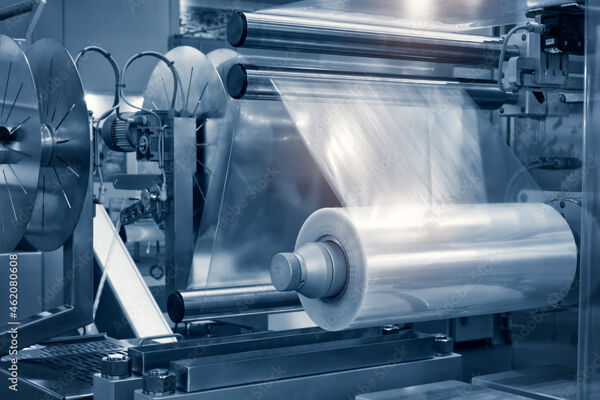
MDO Film Capability
FPP has spent three years engineering a highly innovative MDO production line that seamlessly integrates high force and high speed to accommodate a wide range of applications—from high-volume production to specialty films requiring enhanced strength.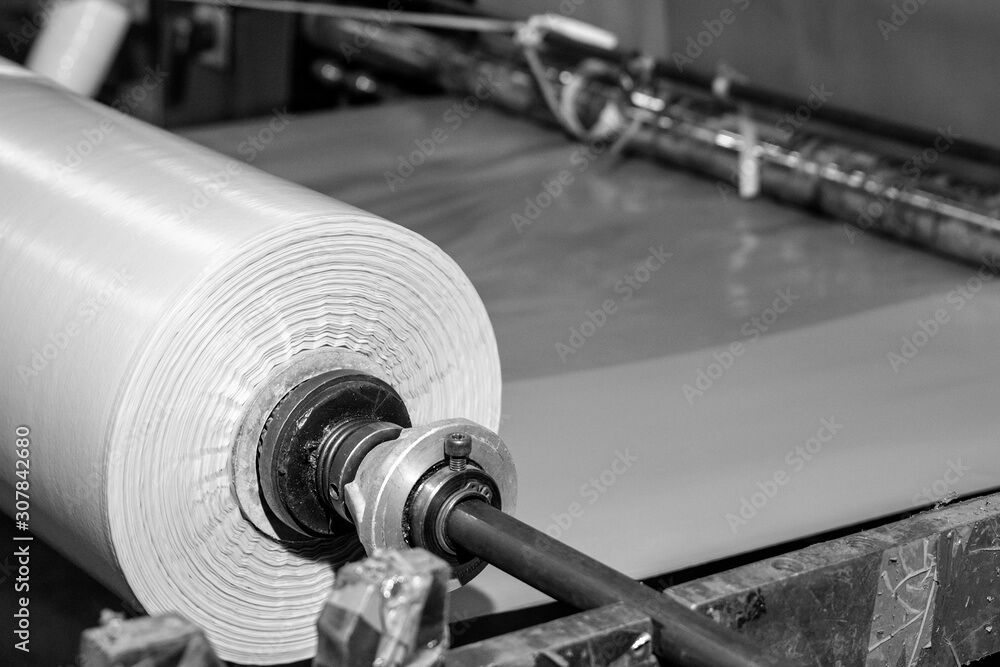
Single Step Process
FPP MDO production line is capable of running both inline and offline for the conveinence of our customers.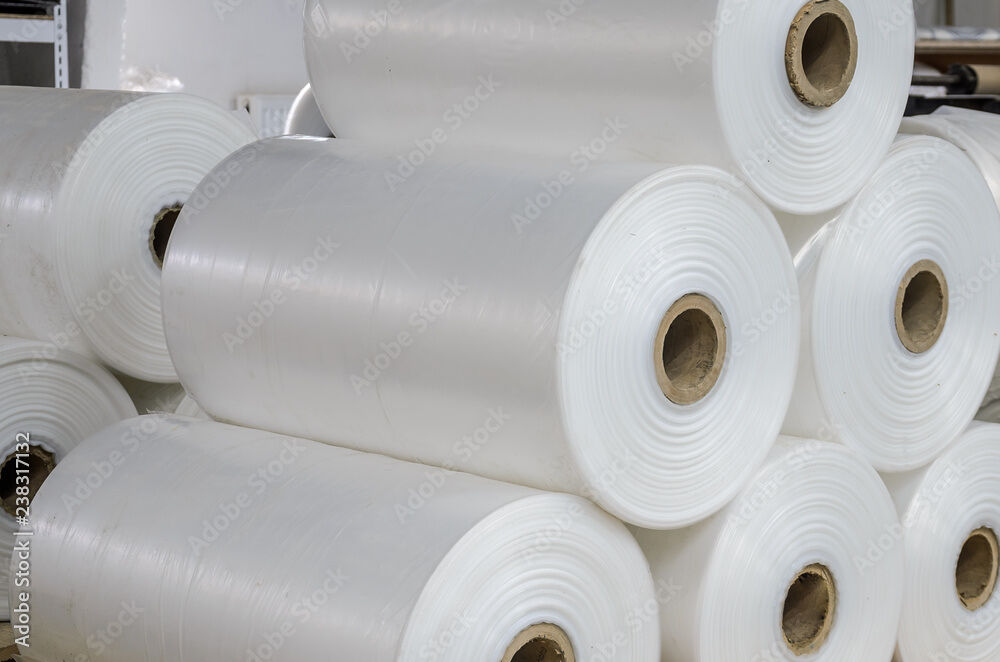
MDO Film Products
FPP's innovative MDO line offers a versatile production capability, manufacturing a wide range of plastic films from polyolefins (PP, LEPE, HDPE, UHMWPE) to high-performance engineering resins such as polycarbonate, PET, nylon, acrylic, PMMA, ABS, and PTFEMDO Film Capability
FPP has spent three years engineering a highly innovative MDO production line that seamlessly integrates high force and high speed to accommodate a wide range of applications—from high-volume production to specialty films requiring enhanced strength. This advanced MDO line operates at speeds of up to 250 ft/min while delivering a stretching force of up to 18,000 lbf, ensuring broad applicability across various material types. It features 14 heated rolls and 2 cooling rolls, with the heated rolls reaching temperatures of up to 350 °F—sufficient to soften all plastic materials effectively. A unique stretching roll design ensures secure film handling by both slow and fast rolls, preventing slippage throughout the process. Additionally, strategically placed hydraulic nipping rolls provide a powerful nipping force of up to 30,000 lbf, completely eliminating film slippage for optimal performance.
FPP’s MDO (Machine Direction Orientation) line is engineered specifically for stretching PET films, integrating advanced design elements to optimize performance. The second stretching stage features infrared heaters, while the stretching gap extends up to 200 mm (7.85”) to accommodate PET films. To minimize film breakage, an optional tungsten carbide coating prevents PET or other adhesive films from sticking to the roller. Key Specifications: Maximum film width 45” – the only MDO toll place in USA has this width with 2 stage stretching Line speed: 1 fpm to 250 fpm Stretching gap: 1st stage 2mm to 150 mm, 2nd stage 2 mm to 200 mm
9 oil TCU for 14 heated rolls, up to 350 °F
Roll surface finish: chrome mirror finish, optional tungsten carbide finish at 2nd stretching stage
Up to 18,000 lbf stretching force
Both of pneumatic and hydraulic nipping on all the rollers
Machine draw ratio limit: 250 X
Single Step Process
The default configuration of FPP’s MDO line is offline mode because it has several advantages: Isolated from sheet extrusion, so if film breaks at MDO line, sheet extrusion line can still keep running. For example, if need to reset the whole process, it will take at least 1.5 hour to collect good quality samples. In off-line mode, the MDO line can restart collecting the product as little as 15 minutes. Sheet line and MDO line can run at different line speed. So sheet line can run at the highest rate to collect more products, and MDO line can run at relatively low speed to ensure the stable drawing, especially at high draw ratio. For example, the sheet line can run up to 50 fpm, if the film stretch at
5.0X draw ratio, the linear speed at MDO winder is 250 fpm, which is at the machine limit. The extruded materials need at least 24 hrs to relaxation. If stretching immediately, it may have different results especially at high draw ratio. With inline mode, customers can streamline their process by eliminating the need for multiple trials to achieve the final product. FPP seamlessly transitions from offline to inline mode by bypassing the sheet line winder and MDO line unwinder, enabling efficient and continuous production.
MDO Film Products
FPP's innovative MDO line offers a versatile production capability, manufacturing a wide range of plastic films from polyolefins (PP, LEPE, HDPE, UHMWPE) to high-performance engineering resins such as polycarbonate, PET, nylon, acrylic, PMMA, ABS, and PTFE. These films serve diverse applications, including flexible packaging, food and beverage wrapping, protective clothing (breathable liners for premium outdoor jackets), diapers, battery components, and beyond. Precision-engineered nip roll crowns ensure flawlessly flat films post-stretching, while the taper-tension-controlled winder effectively prevents wrinkles. As a result, FPP consistently delivers high-quality products with superior performance characteristics
FPP has more than a decade of experience in MDO film processing optimization, so FPP can help customers achieve their R&D or production goal on this high capacity MDO line. To ensure quality and compliance with customer specifications, FPP provides comprehensive plastic film QC and testing services. These include tensile testing, differential scanning calorimetry (DSC), dynamic mechanical analysis (DMA), optical measurement and thickness profile assessment.